Museums & AI: Unleashing a World of Possibilities
Museums have more stories than they have the time or resources to tell them. They live in collection records, photographs, ...

Museums have more stories than they have the time or resources to tell them. They live in collection records, photographs, ...
When we first reviewed museum transaction platforms, our focus was narrow by design: how well do these systems support the ...
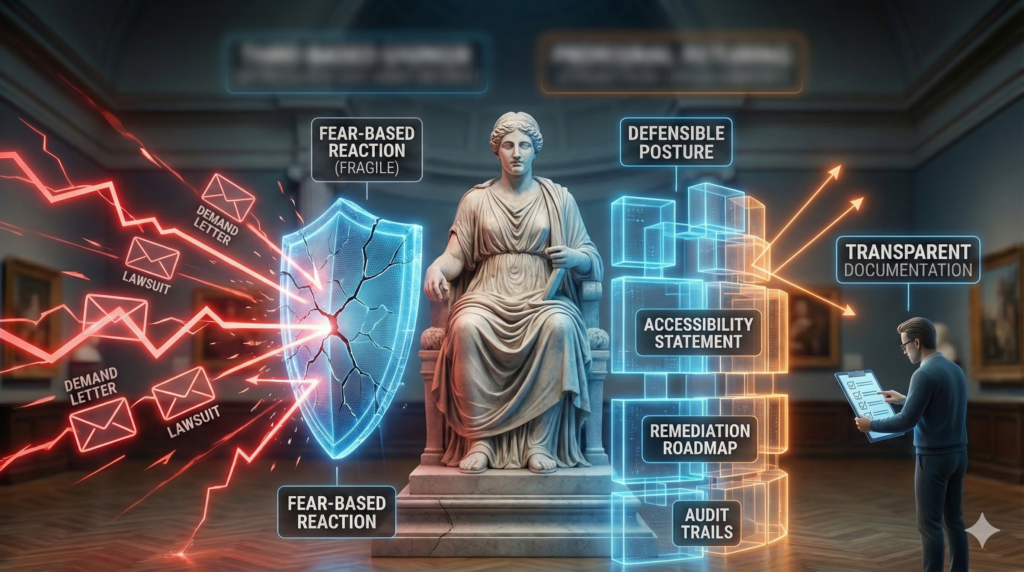
What the law actually requires, what lawsuits really look like, and how museums can respond without panic At some point ...
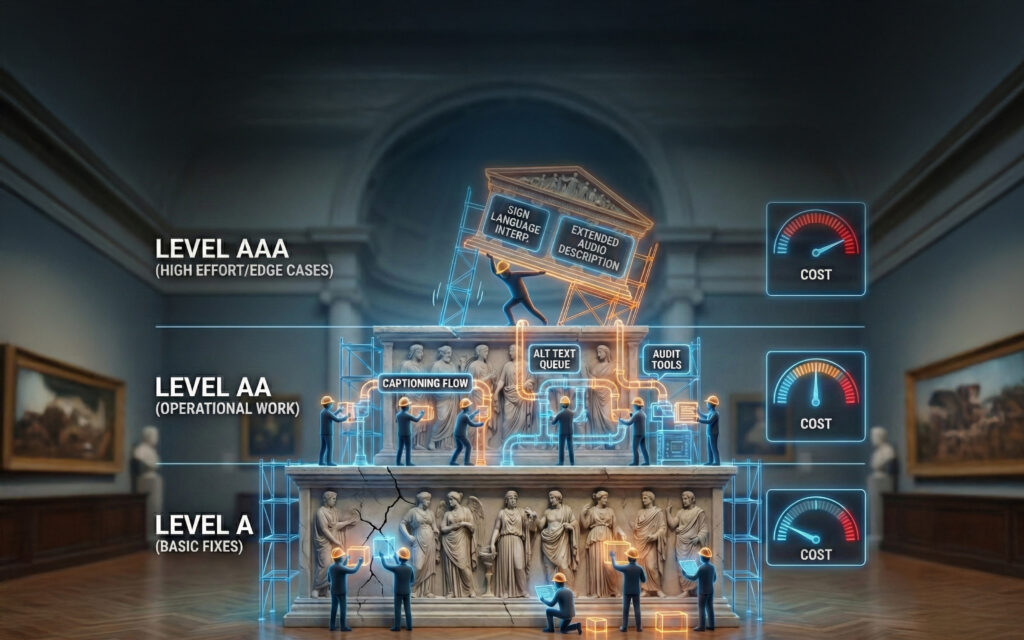
In our first article in this series on website accessibility for museums, we focused on a deceptively simple question: can ...
The first four parts of this series uncovered a pragmatic path for museums: (1) accept that low per-page traffic limits ...
In part one in our series on UX testing in the museum environment, we showed why traditional A/B testing rarely ...
After the last article’s reality check, that statistical UX tests crumble when you have only a few thousand pageviews per ...
The Low‑Traffic Dilemma Museum web teams often aspire to use standard UX A/B testing methods to improve their websites. However, ...
Keeping a museum’s digital presence vibrant and engaging is no small task. With so many stories to share—from exhibitions and ...
Every day as you browse the web, the websites you visit dynamically recommend content based on their best guesses about ...