Have you ever thought about what it would have been like to study art before the days of photographic reproduction?
When I was an art student studying at the Rhode Island School of Design, back in the late 80’s, whenever I needed photographic reference material for a project, I had to head over to the clipping file at the library. First, I’d rifle through the three leaf binder containing the index of subjects available, and then ask the librarian to pull the folder. Soon she would emerge with a manelia pocket full of magazine clippings of giraffes, or wheelbarrows, or boxing gloves, and I’d start looking for just the right image to help me with an illustration.
Fast forward a decade or so and we can find images of absolutely anything with a simple Google search. But even back in my analog image research days, it was still possible for me to get a hold of all sorts of images. Or, if I wanted to study the works of a particular artist I’d just go to the library and look through shelf after shelf of large, beautiful, full-color volumes filled with photographic reproductions of the works of whichever artist I was interested in.
But if we rewind the clock about a hundred and fifty years—how would an art student study the works of the great masters back then? There’s only one Mona Lisa, and if you couldn’t get to France, you were out of luck. If a scholar wanted to study Leonardo, and had the opportunity to travel to see the Mona Lisa, in order to compare that work to others would require quite a bit of travel. And there would be no way to set works alongside each other, for studied comparisons, while moving from one collection to another.
There was, of course, a great appetite to see and enjoy great works of art, but if you could not get to these works, you had to be content with viewing reproductions. By how do you reproduce the Mona Lisa without color photography and four color printing? The basic function of reproducing images, before the age of photography, was the exclusive domain of the engraver. In those days the craft of printmaking was both an artistic medium in its own right, but also a basic commercial technique necessary for any artist’s works to be shared in more than one place at a time.
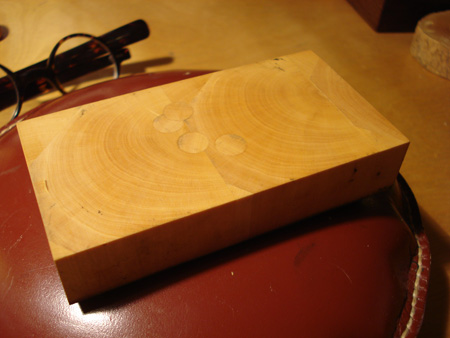
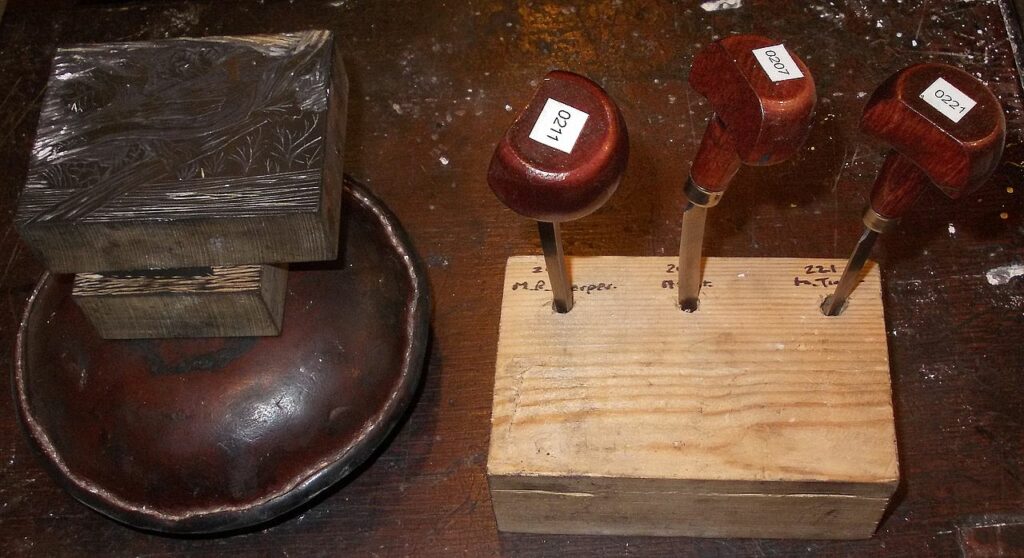
When I was studying at RISD, my major was illustration, and my medium of choice was wood engraving. But for me wood engraving was a preference—an artform of its own. But prior to the 20th century engraving was primarily a commercial enterprise—the only means of reproducing the art for broader enjoyment.
Back in the 19th century, the tensions between art and commerce were just as real as when I was in art school. As an art student I felt this tension all the time. There is an unspoken hierarchy in the art school experience between the departments. A ranking based on the supposed purity of artistic expression. Fine arts such as painting and sculpture were at the top, graphic design and industrial design toward the bottom, and illustration somewhere in the middle. Nobody gave voice to this hierarchy, and every department was deeply invested in the craft and discipline of design, whether commercially oriented or not. Nevertheless this hierarchy hung in the air. As students wrestled with their choice of major during freshmen foundation, these feelings often emerged. Justified or not, many of those leaning toward graphic design, felt at some level that they might be selling their talents out.
This was, and is, a modern manifestation of the same tensions that existed in and around the world of printmaking in the 19th century. As Steven Bann points out in his fascinating book “Parallel Lines” the “truc,” that is the commercial bargains involved in the printmaking industry were full of such tensions. On the one hand it’s perfectly understandable for an artist to look upon even a masterful black and white reproduction of his work with deep criticism and great sense of loss. How could cold black and white lines capture the textures, the richness, nevermind the color of the original?
Yet, without lithographs or engravings, their masterpieces would be resigned to limited local exposure.
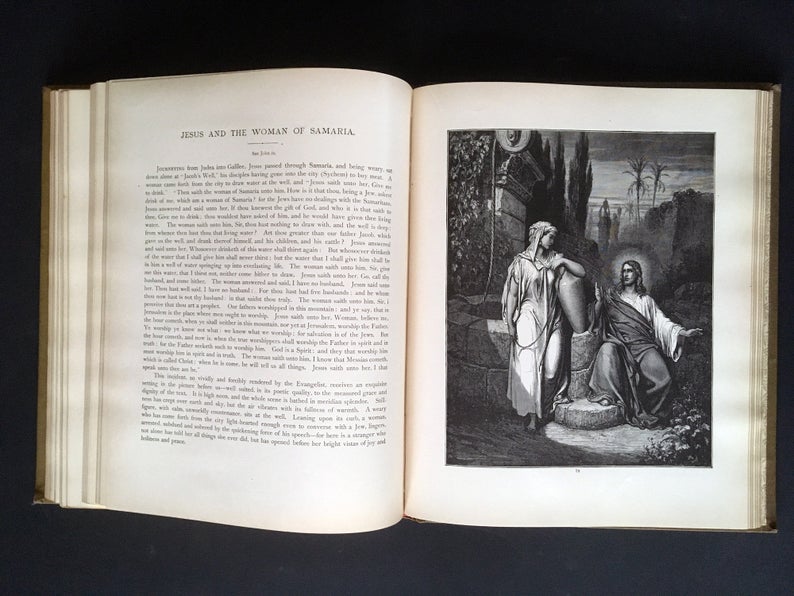
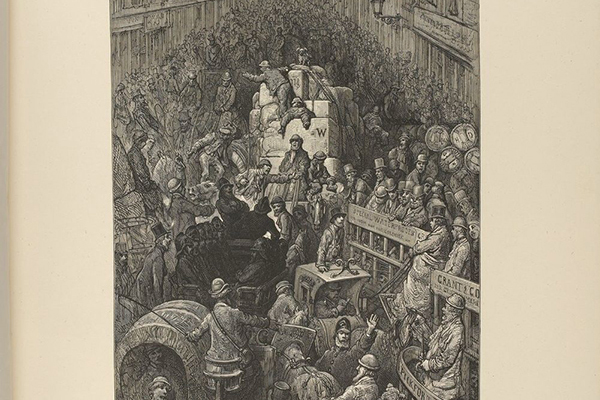
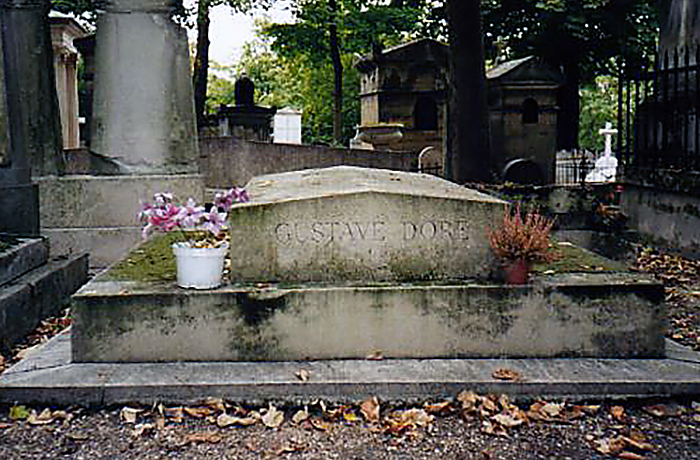
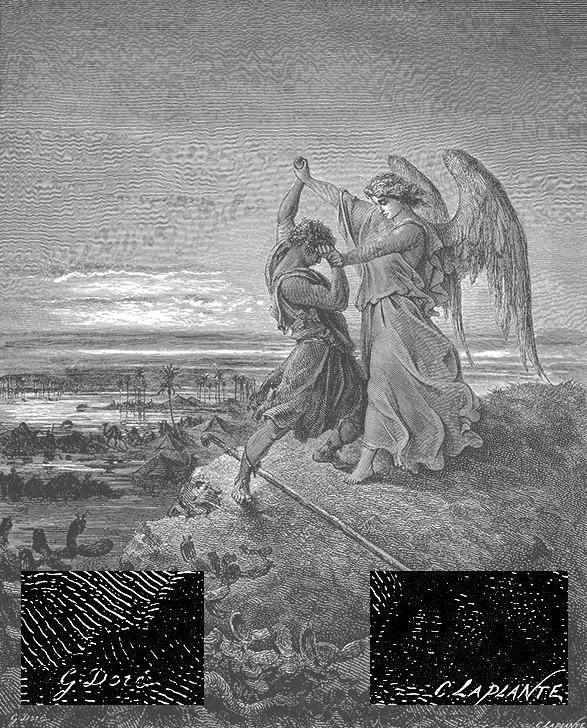
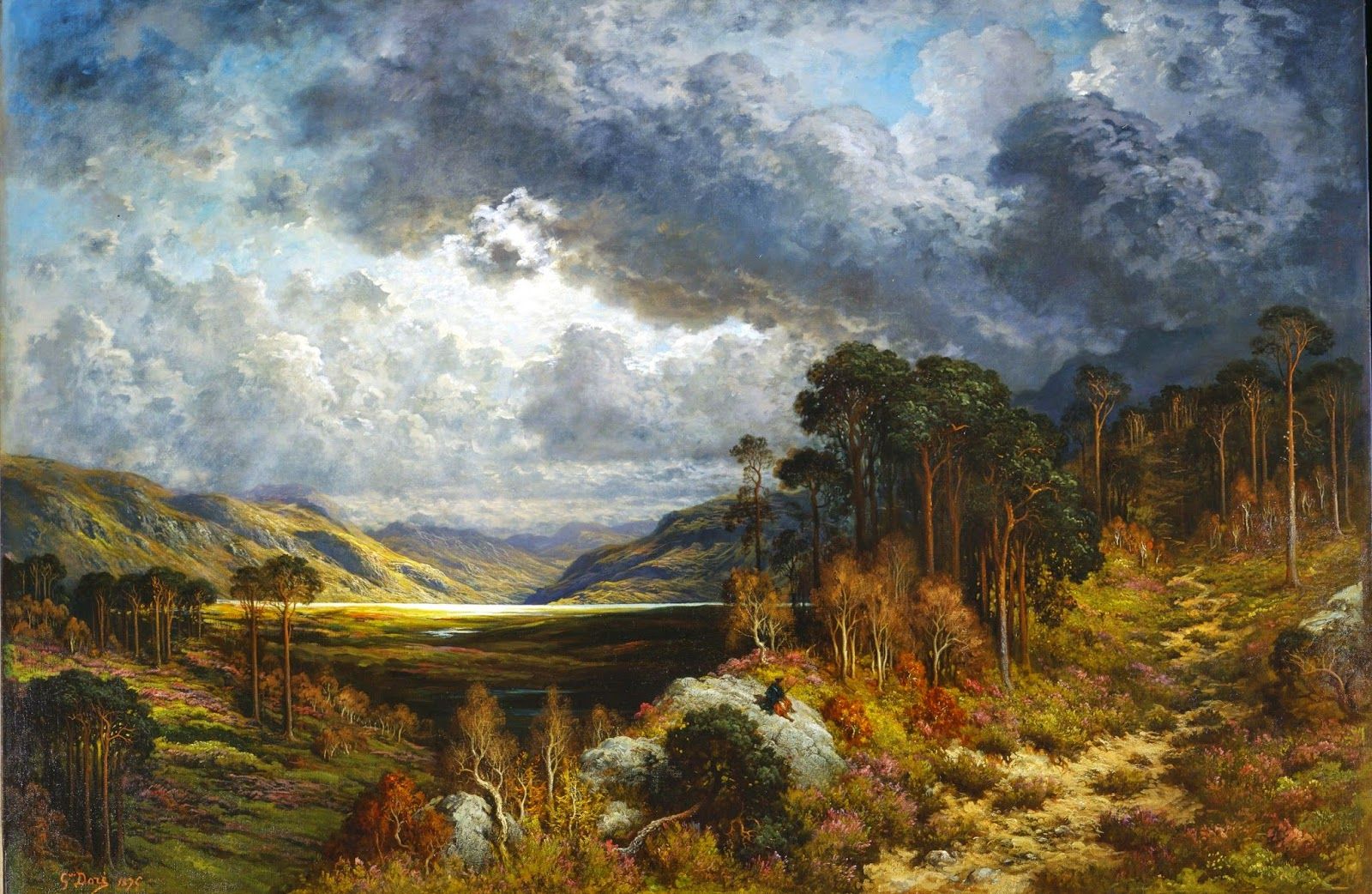
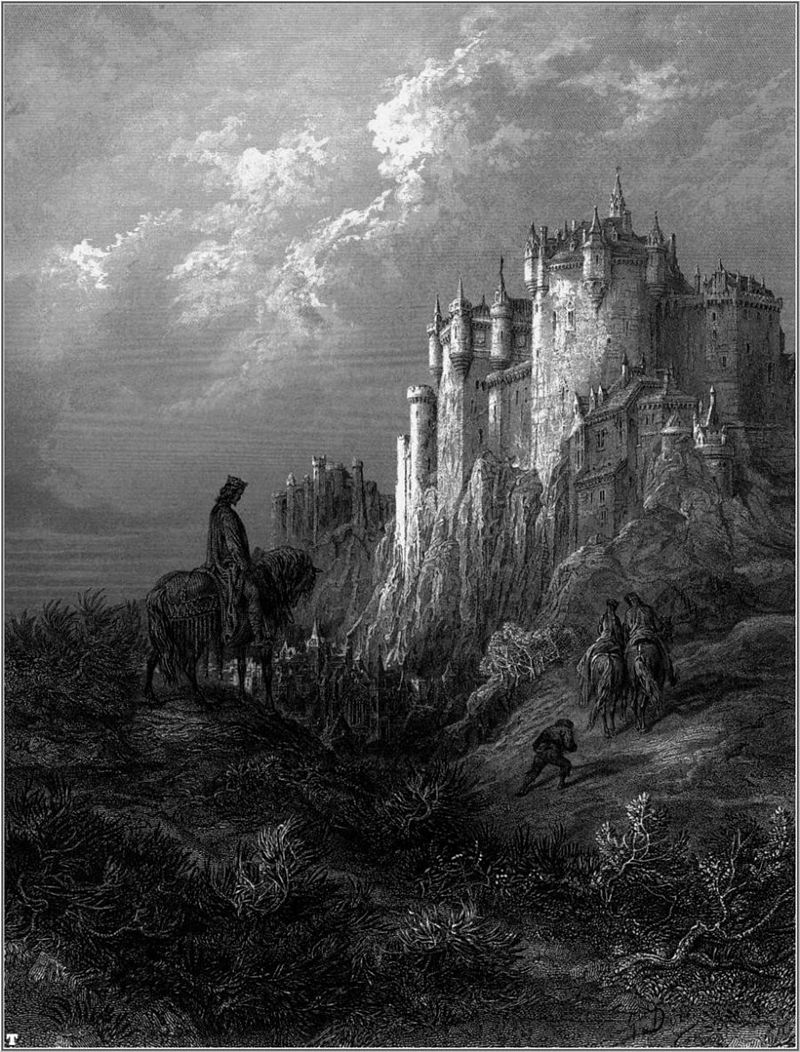
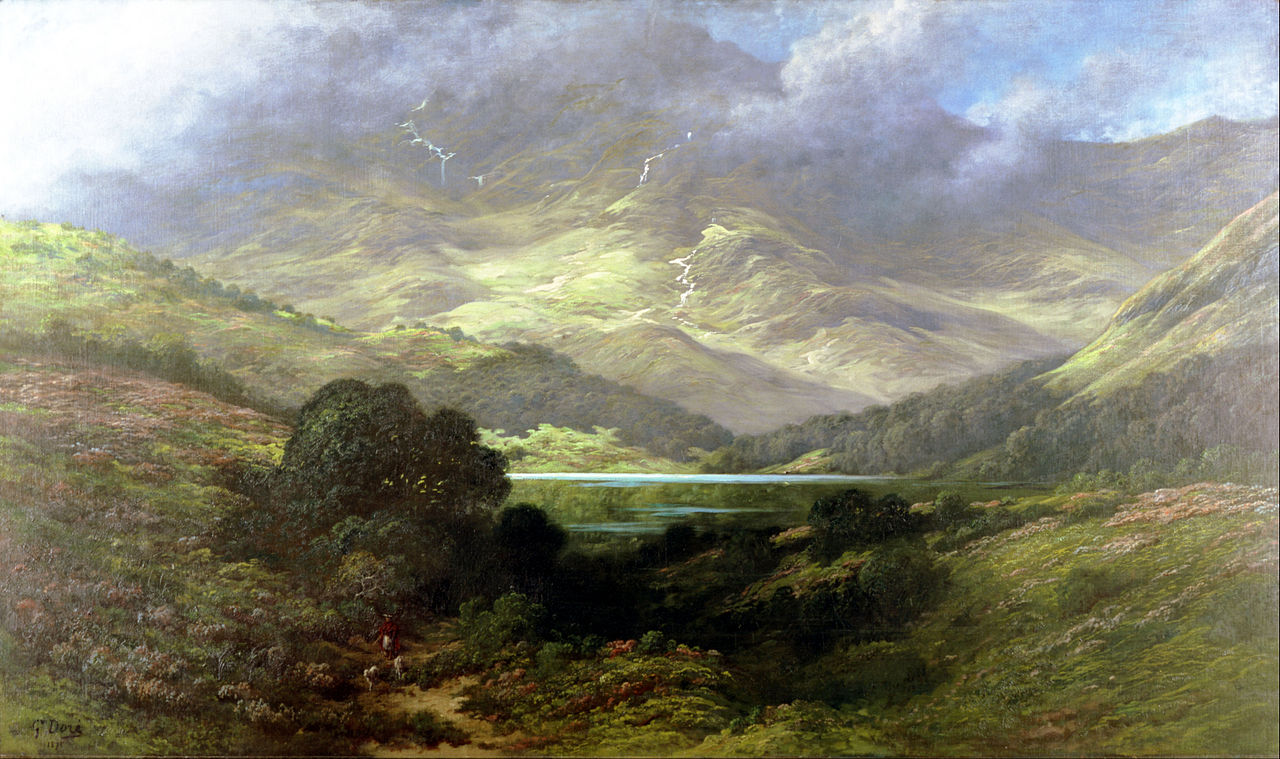
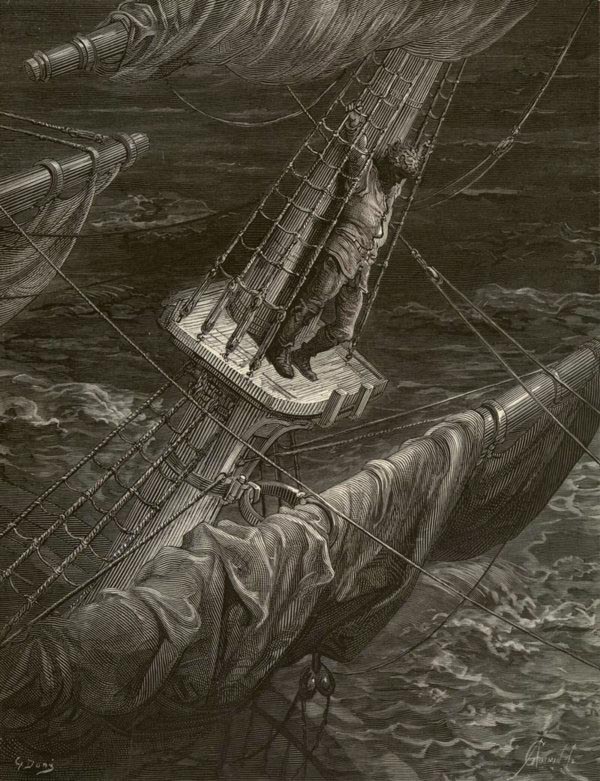
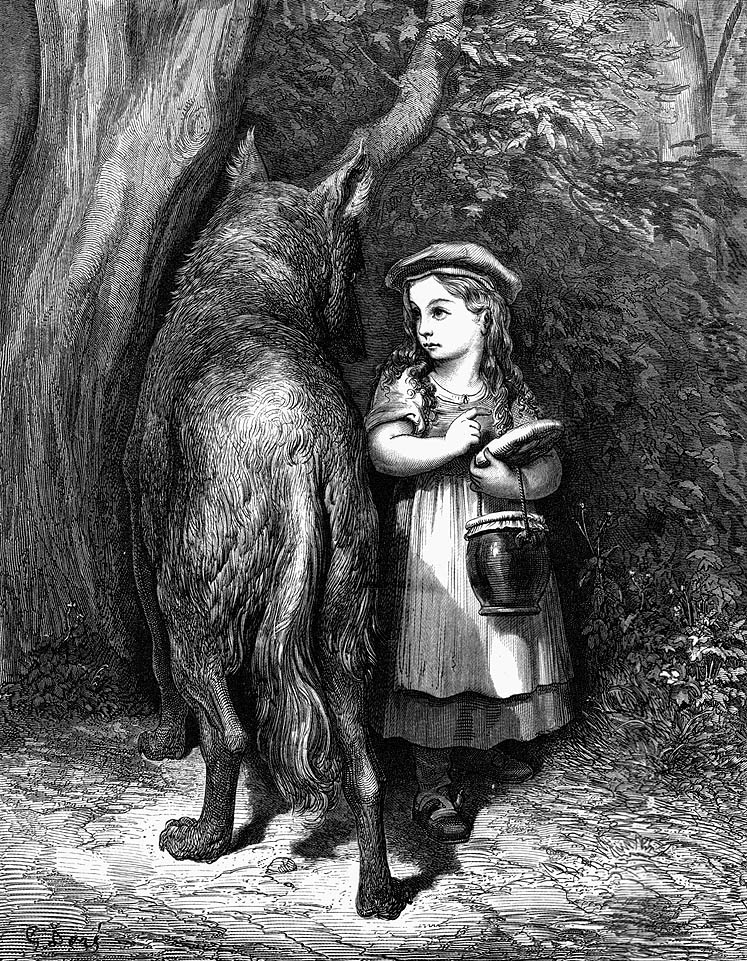
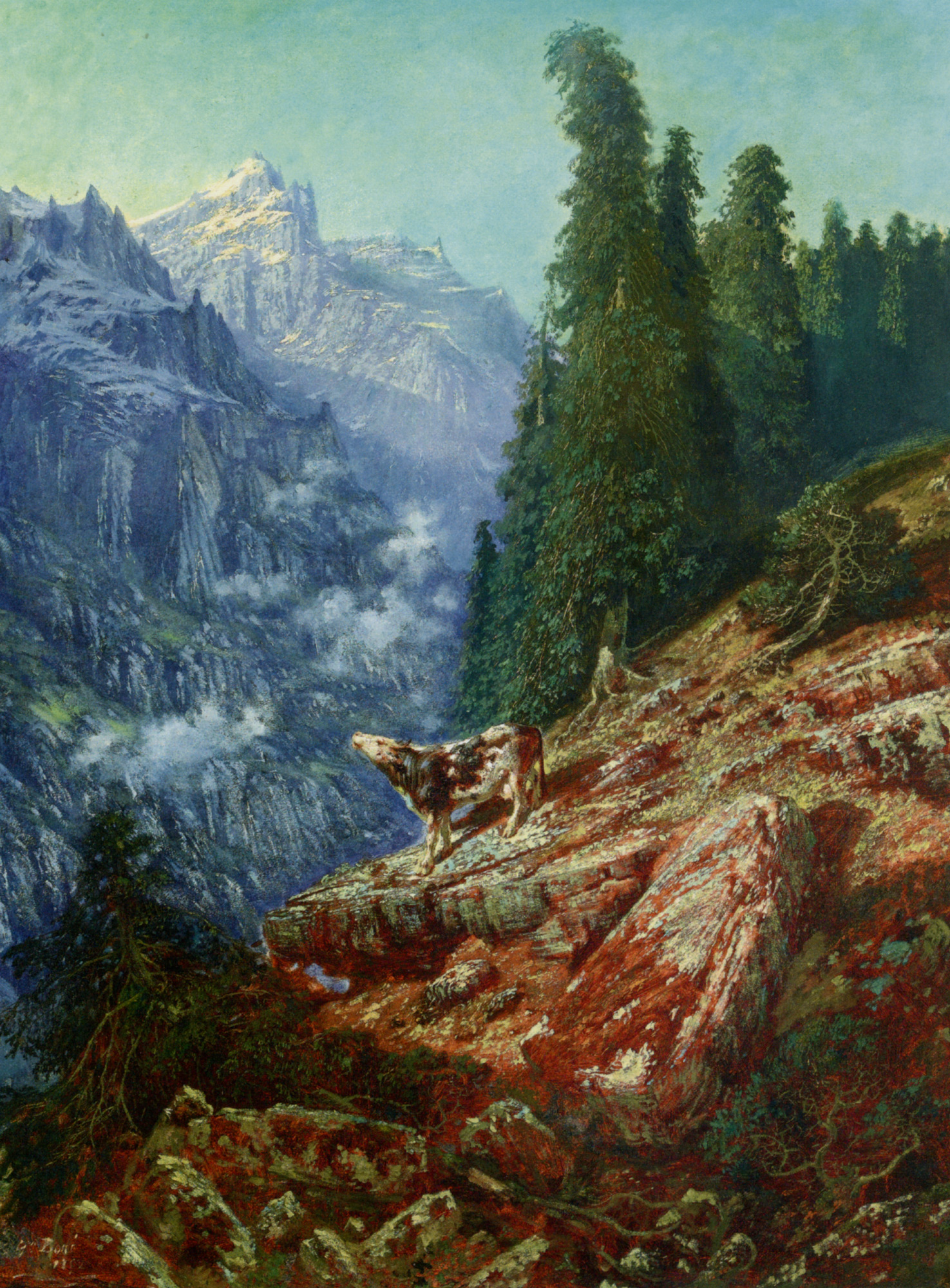
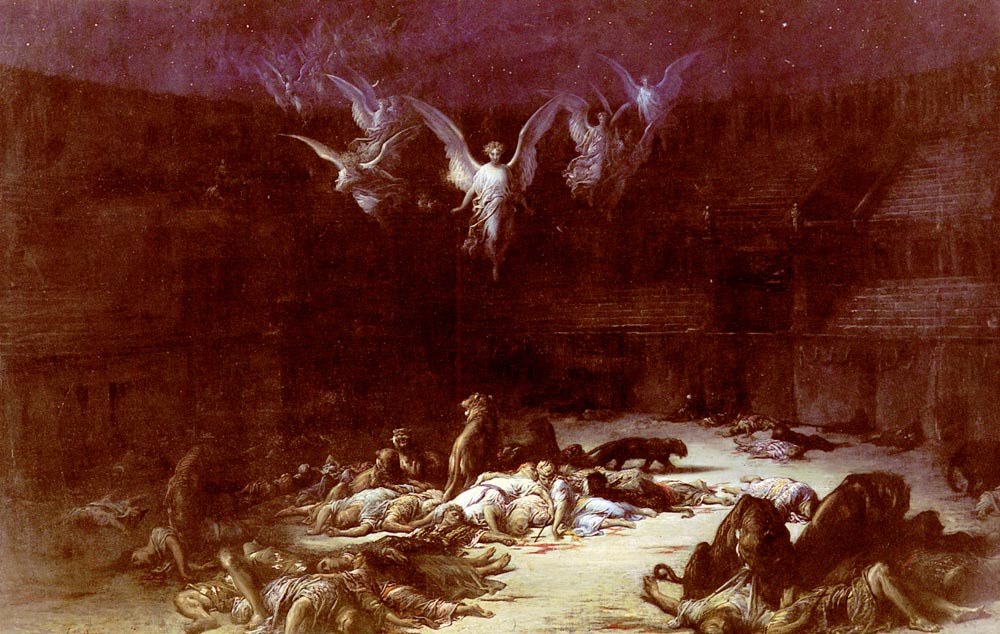
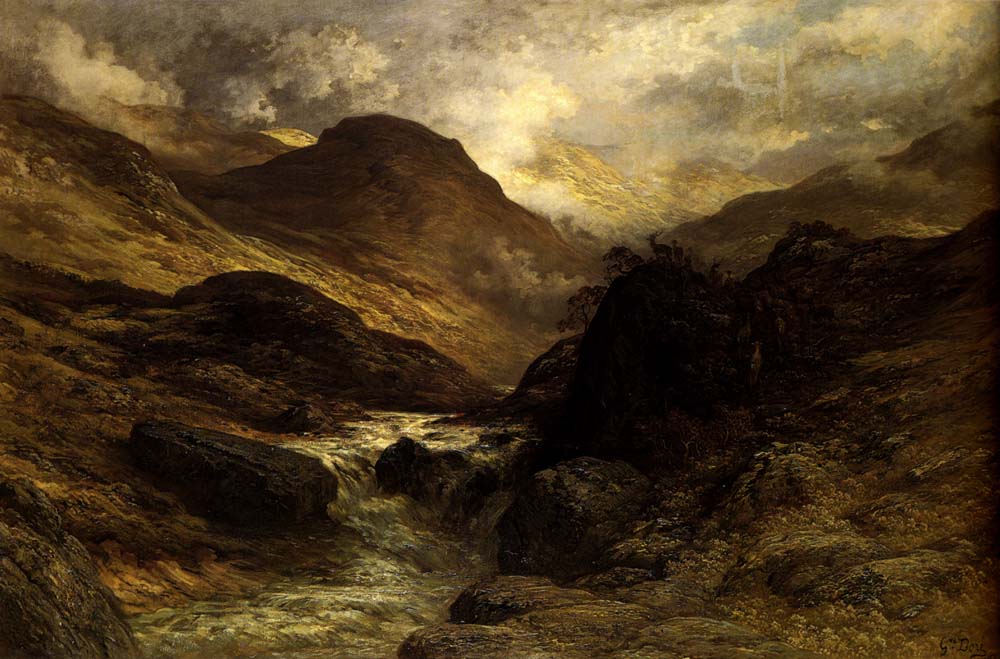
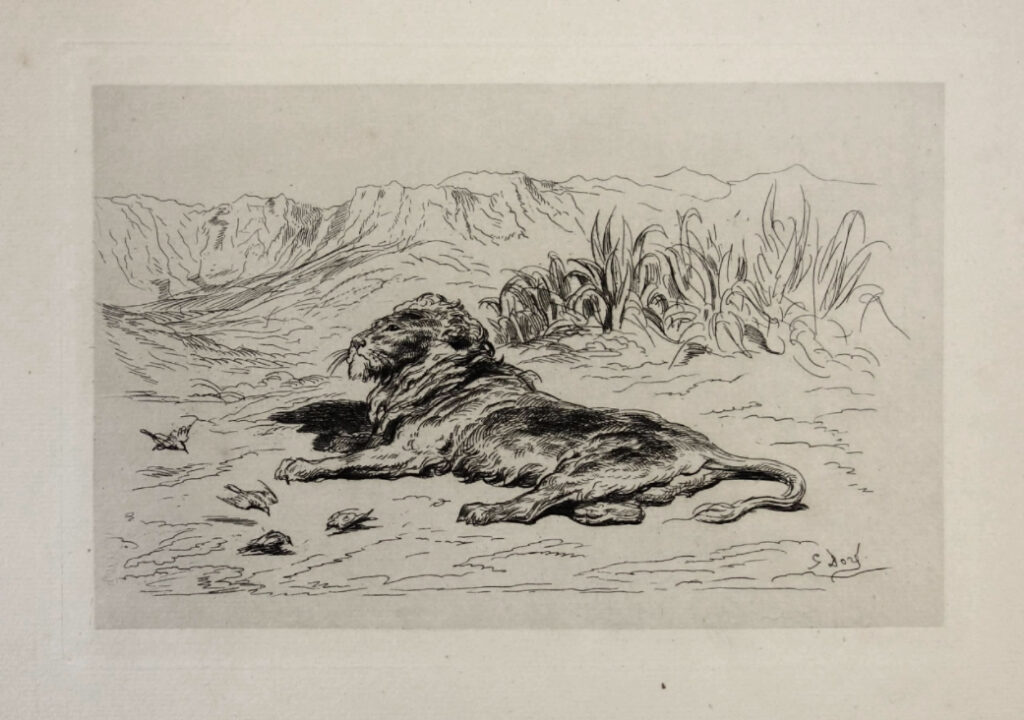
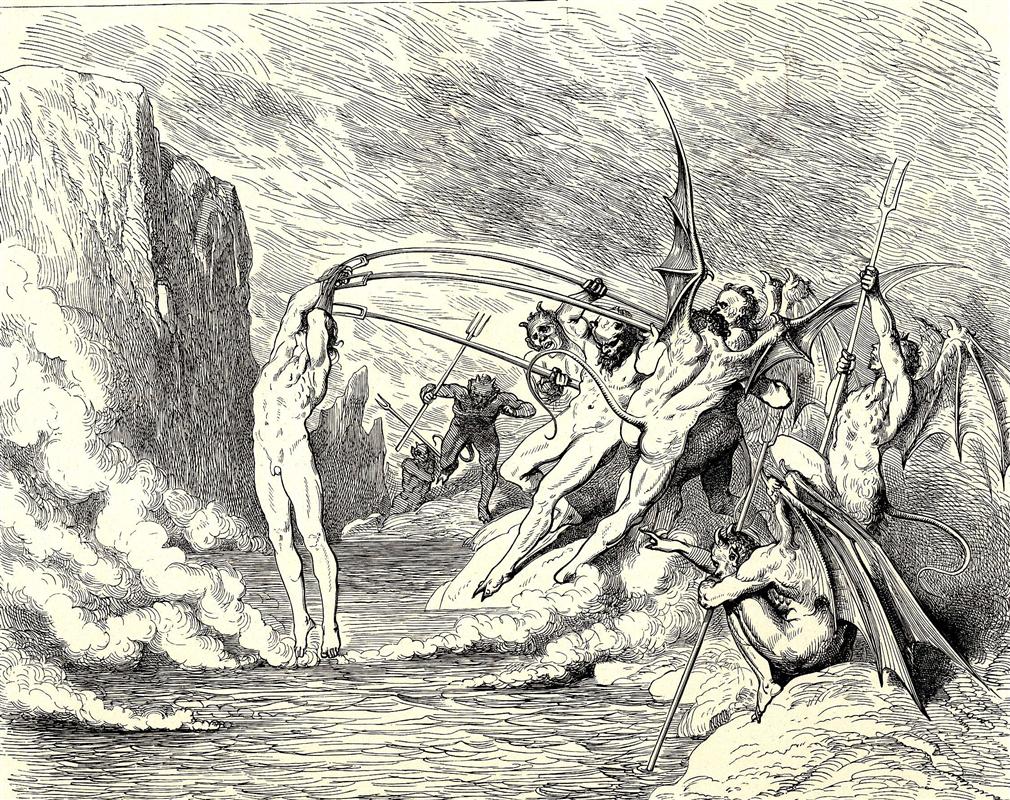
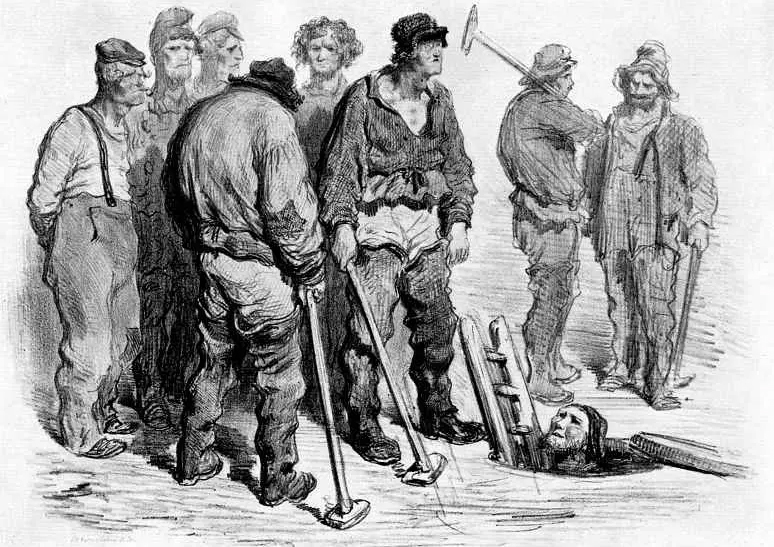
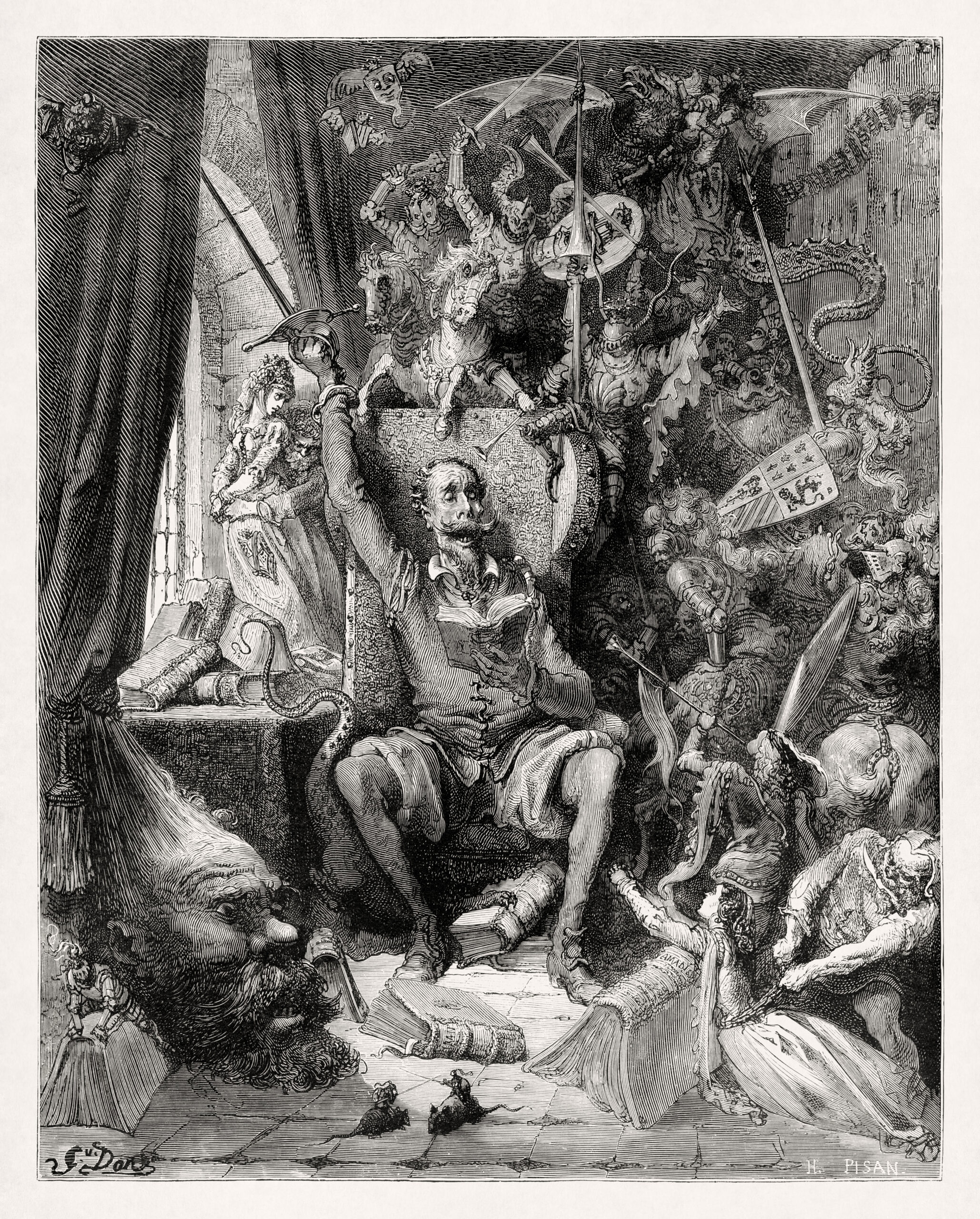
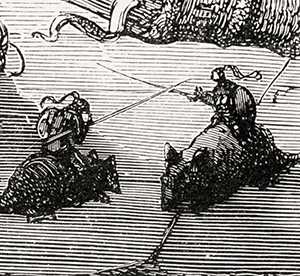
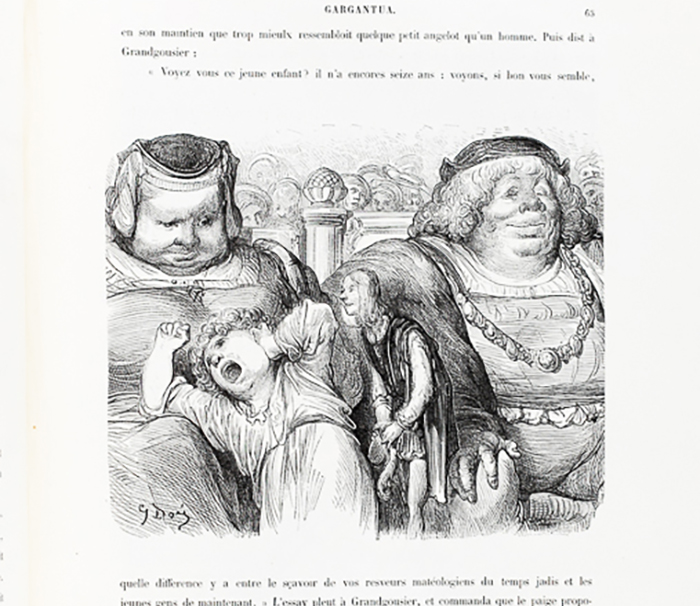
The story of Gustave Doré and his work is a perfect vignette for exploring some of these tensions. As an illustration major, focused on wood engraving, I of course became aware of Doré’s work. I marvelled at it for its brilliance of imagination, it’s amazing draughtsmanship, and of course for the technical skill manifest in the engravings themselves.
Since his illustrations were meant for mass market publications, it was mechanically necessary for his drawings to be produced as engravings, so that they could be locked up in a chase and printed along with the metal type used to print the text.
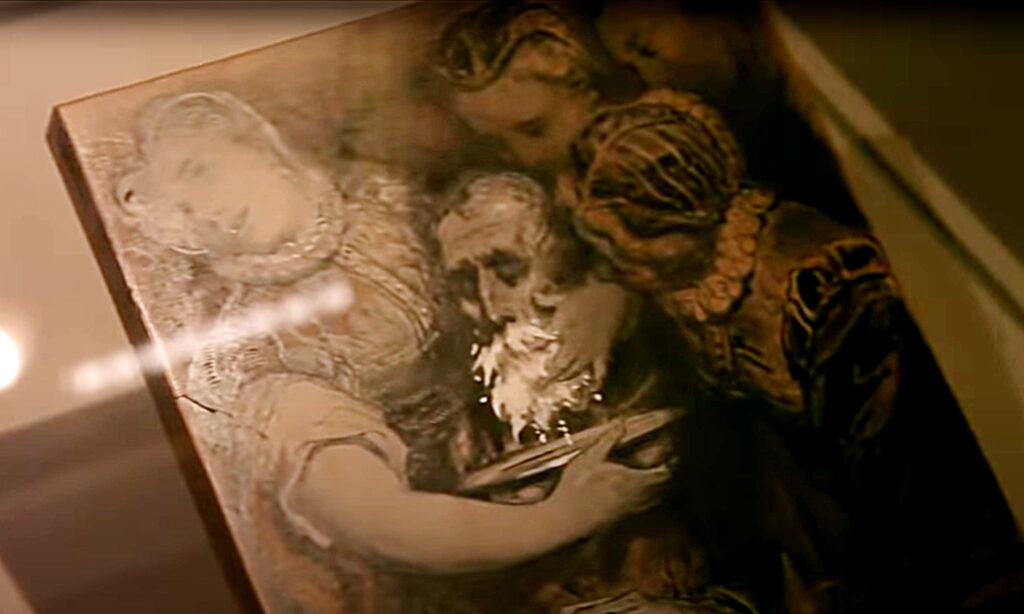
But even though his illustrations were made from the start to become engravings, the process of converting his original drawings into cut blocks always disturbed him. Especially since quite often the actual process of engraving was performed by a tradesmen, not by Doré himself. This lossy transformation bothered him so much that he would often take photographs of his drawings made directly on the wood block, to preserve the original before it was eradicated by the engraving process.
For me, when I marvel at a Doré print, I appreciate the amazing craftsmanship of the engraving technique just as much as I do the creativity and execution of the image itself.
Today, that heightened skill of engraving, which was needed to reproduce images in the 19th century, is gone. Those who produce wood engravings today don’t struggle with the tensions between original and reproduction the way artists such as Doré did in the 19th century. Today, the engraving is the original form of art. But I can’t help feeling at times that this freedom engravers enjoy today—to pursue engraving as an original form of artistic expression, has lost something from its heritage as tradecraft, even as it’s gained something in its freedom.

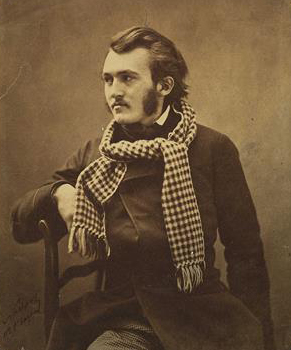

 Doré’s work illustrating Dante’s inferno, at his own expense, earned him the French Legion of Honor award.